
- News
- City News
- delhi News
- Crime patrol! local cops in Shahdara on front foot
Trending
This story is from April 30, 2024
Crime patrol! local cops in Shahdara on front foot
Shahdara foot patrolling initiative, with 5,000 daily steps and real-time monitoring, shows success in reducing crime. Cops foster community relationships, enhance transparency, and proactively address security concerns.
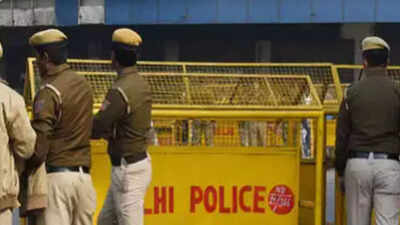
Image used for representative purpose only
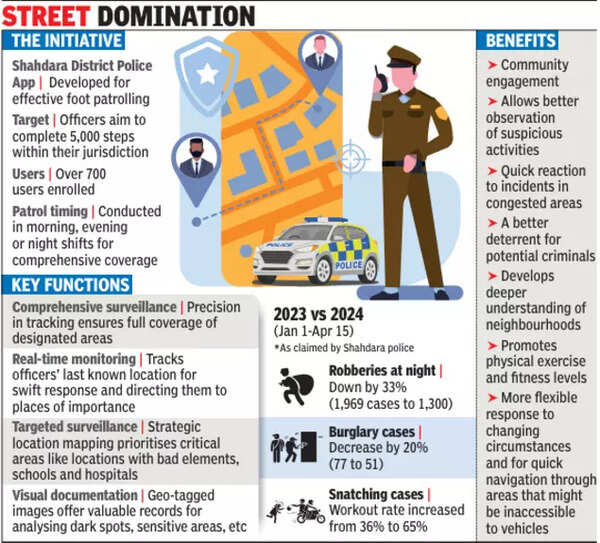
With over 700 users as of now, Shahdara cops say they are already witnessing a drop in the cases of PCR calls, night robberies and theft cases.

TimesView
This is a welcome step, literally. Foot patrolling enables cops to interact better and with more people, which in turn improves their information gathering network. It also makes them more visible, which lifts public morale and deters potential criminals. Walking on foot also helps police personnel stay in better shape. This is a win-win situation.
According to Surendra Choudhary, DCP of Shahdara, the application aims to enhance security and optimise police operations by enabling officers to closely track their movements within designated areas. “Its key features include meticulous recording of steps taken, distances covered, and time spent on patrols, with real-time updates available only within officers’ jurisdictions. The app also alerts officers to important areas, incidents and unchecked locations,” he says.
The DCP adds that the overarching goal is to transition from reactive policing to proactive community engagement. The foot patrolling teams will recognise local crime patterns and find ways to stop crime before it happens, which may include everything from spotting dark corners to keeping an eye on suspicious movements. The application, which will be installed on all the beat cops’ phones, will not only ensure community safety but will also promote health of the policemen.
Officers added that the initiative, although in a nascent stage, has seen recent successes such as the swift resolution of a Rs 2 lakh robbery case that took place in Gandhi Nagar. The case was cracked easily, thanks to a foot patrolling officer’s timely intervention.
Cops claimed that with the implementation of the app, a drop was seen in the number of night robbery cases, which went down from 1,969 cases last year to 1,300 this year. Burglary cases saw a dip of around 20% compared with the same period last year.
Another important element of the application is the visual documentation through geotagged image uploads, which provides valuable insights and records for analysis. “The app facilitates the sharing of unmonitored areas and locations are highlighted on the map. Critical zones like schools, hospitals and crime hotspots are prioritised, while real-time monitoring facilitates swift responses to emergencies or deviations from patrol routes,” officers explained.
Senior cops added that the initiative was aimed at integrating technology seamlessly into policing operations by enhancing transparency, effectiveness and community trust. Officers are tasked not only with crime prevention but also with fostering close relationships with residents and merchants, investigating crimes, and providing guidance on crime prevention strategies.
End of Article
FOLLOW US ON SOCIAL MEDIA











Hot Picks
TOP TRENDING
Popular Categories
Hot on the Web
Top Trends
IND vs BAN Live ScoreUGC NET Result 2024Rohit SharmaKamindu MendisDU ElectionIsrael StrikesMichael VaughanHigh Paying Freelance JobsElon Musk Dating MeloniUS FDAKerala Lottery ResultsShaheen AfridiTamil Nadu NEET UG CounsellingWho is Dominik Mysterios WifeChina SubmarineIsrael Hezbollah WarLive Cricket Score
Trending Topics
Devara CollectionNavya Naveli NandaPawan KalyanJungle SafariStree 2 OTT ReleaseRose GardenDevara CollectionOTT Release MovieMasala OmeletteEmergencyDevaraTaaza Khabar 2 Twitter ReviewDevara Movie ReviewHealthy RaitasSwatantrya Veer SavarkarColdplay India tour 2025Smartphone DealsApple Macbook Air M1Amazon SaleWordle Answer
Living and entertainment
Latest News
Vineeth Radhakrishnan calls Tovino Thomas a ‘phenomenal performer’ after watching 'ARM'Chennai Metro Rail phase 2: Stalin meets PM, seeks early approval of 50:50 equity sharing between Centre and TNCelebrating the legacy of Maggie Smith: Professor McGonagall's iconic moments in 'Harry Potter'Once in a blue moon: Delhiites breathe easy, AQI drops to 80Vishnu Manchu reacts to his online face-off with Prakash Raj over Tirupati Laddu issue: 'I have no ill intentions towards him'Cease-work at Sagore Dutta Hospital in Kolkata after 'assault' on junior doctorsThe Blaze Star is about to explode: All the details on how to watch it and where to lookTop Tory leadership contender pledges ban on UK visas to Indians if India does not accept returnsControl sexual urges; Pakistan in Bangalore: When judges forgot they were in courtHoroscope Today, September 28, 2024: Read your today's astrological predictionsTapSwap Daily Codes for September 28, 2024: Earn coins and cryptocurrency by completing tasksMedical Breakthrough: 1st lung cancer vaccine BNT116 clinical trials launched, vaccine based on Covid mRNAWrestling Veteran Supports Rikishi's Take on Jacob Fatu's Backstage Meeting with Triple HMinimum wages for unorganised sector to rise as variable DA upPremium Soundbars with Dolby Audio: Top Picks OnlineHC ticks off Punjab for not releasing Ayushman funds to private hospitalsMicrosoft CEO Satya Nadella says, for me a true leader is who …Policybazaar eyes new model for mediclaims
Copyright © 2024 Bennett, Coleman & Co. Ltd. All rights reserved. For reprint rights: Times Syndication Service